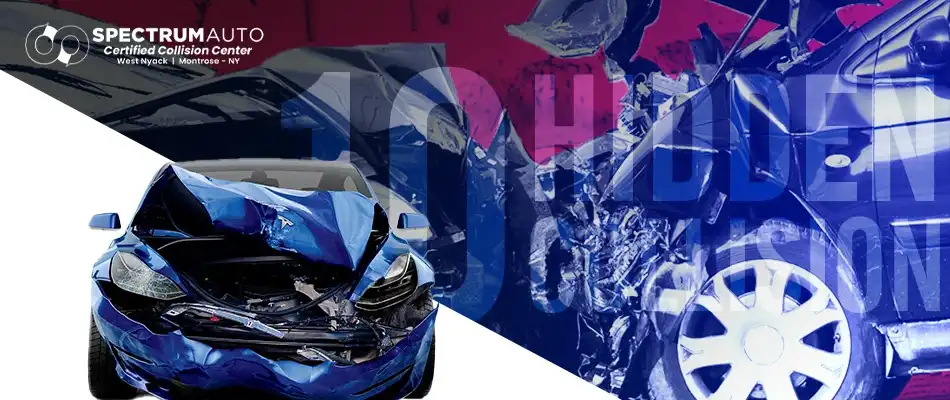
After a vehicle collision, the visible damage tells only part of the story. What appears as a minor fender bender on the surface can hide serious structural and mechanical issues underneath. Even experienced drivers often underestimate the complexity of modern vehicle systems and how collision damage can compromise safety in ways that aren't immediately obvious.
Professional diagnostics at a qualified collision repair shop reveal problems that the untrained eye simply cannot detect. Here are ten hidden dangers that only expert technicians with proper equipment can uncover.
10 Hidden Dangers That Require Professional Detection
1. Frame and Structural Misalignment
Modern vehicles rely on precise frame geometry for proper handling and safety. Even a seemingly minor impact can bend or twist the frame by millimeters, which doesn't sound like much until the vehicle starts pulling to one side or tires wear unevenly.
Professional frame measuring systems use laser technology to detect deviations as small as one millimeter. This level of precision ensures the vehicle's structural integrity remains intact and all safety systems function as designed.
2. Compromised Airbag Systems
Airbags are single-use safety devices, but collision damage can affect sensors, wiring, and control modules without deploying them. An autobody repair shop equipped with diagnostic computers can read fault codes from the airbag control module to identify:
- Damaged crash sensors
- Severed or shortened wiring
- Faulty control modules
- Compromised seatbelt pretensioners
These issues won't trigger a warning light immediately, but could prevent airbags from deploying in a future accident.
3. Hidden Electrical System Damage
Today's vehicles contain miles of wiring running through every panel and component. Collision forces can pinch, stretch, or sever wires deep within the vehicle structure. These damaged connections might work intermittently at first, causing mysterious electrical gremlins weeks or months later.
Professional diagnostics use specialized scanners to communicate with every computer module in the vehicle, identifying communication errors that signal wiring damage.
4. Suspension Component Stress
The suspension system absorbs tremendous force during a collision. Components like control arms, tie rods, and ball joints can develop microscopic cracks or bend slightly without showing obvious damage. A collision repair shop uses precision measuring equipment and visual inspection techniques to identify:
- Bent control arms
- Stressed ball joints
- Weakened tie rod ends
- Damaged shock absorber mounts
These compromised parts can fail catastrophically at highway speeds if not replaced.
5. Brake System Contamination
Collision damage often ruptures brake lines or compromises brake fluid reservoirs. Even if the system seems to work normally, contamination from water, coolant, or other fluids can corrode internal components and reduce braking effectiveness over time.
Professional brake system testing measures actual stopping power and identifies contamination before it becomes dangerous.
6. Cooling System Leaks
The radiator, cooling fans, and related components sit in the front of most vehicles where they're vulnerable to impact damage. Tiny cracks or pinhole leaks might not drip noticeably at first but will cause overheating problems later. Advanced diagnostic pressure testing reveals these hidden leaks before engine damage occurs.
7. Advanced Driver Assistance System (ADAS) Misalignment
Modern vehicles equipped with automatic emergency braking, lane keeping assist, and adaptive cruise control rely on precisely calibrated cameras and radar sensors. Even minor collision damage can knock these sensors out of alignment.
Most drivers won't notice the problem until the safety system fails to activate when needed. Specialized calibration equipment at a professional collision repair shop ensures these systems function correctly after repairs.
8. Fuel System Damage
Fuel lines, pumps, and tanks can suffer damage during collisions, creating fire hazards or leaks that aren't immediately apparent. Professional technicians conduct pressure tests and visual inspections of the entire fuel system, including components hidden under the vehicle or inside structural members.
9. Unibody Stress Cracks
Modern vehicles use unibody construction where the body panels contribute to structural strength. Impact forces can create stress cracks in seams and joints that won't be visible without removing interior panels or using specialized inspection techniques. These cracks weaken the vehicle's crash protection and can grow over time.
10. Corrosion Risk Areas
Collision damage often chips paint and protective coatings in areas that remain hidden after surface repairs. These exposed metal surfaces will rust over time, compromising structural integrity and creating expensive problems down the road. Professional diagnostics include a thorough inspection of all impacted areas, with proper rust prevention treatment applied where needed.
The Importance of Professional Diagnostics
The complexity of modern vehicles makes professional assessment essential after any collision, regardless of how minor it appears. Advanced diagnostic equipment, technical training, and systematic inspection processes at a qualified autobody repair shop protect vehicle occupants and preserve long-term reliability.
Attempting to save money with superficial repairs or skipping professional diagnostics puts drivers and passengers at risk. The hidden dangers uncovered through proper collision repair processes often make the difference between a safe vehicle and a rolling hazard.
When collision damage occurs, trusting a reputable collision repair shop with proper diagnostic capabilities ensures that every hidden danger gets identified and corrected. The investment in professional assessment and repair protects what matters most: the safety of everyone who rides in the vehicle.
Frequently Asked Questions
Q: How long does professional collision diagnostics take?
A: Comprehensive diagnostics typically take 1-3 hours, depending on the extent of damage and vehicle complexity. Modern vehicles with advanced safety systems require more thorough testing.
Q: Will my insurance cover professional diagnostic costs?
A: Most insurance policies cover necessary diagnostic procedures as part of collision repair claims. The repair shop can work directly with insurance adjusters to ensure proper authorization.
Q: Can hidden damage appear weeks after a collision?
A: Yes, stress cracks, electrical issues, and component failures can manifest days or weeks after the initial impact, which is why immediate professional inspection is crucial.
Q: Do older vehicles need the same level of diagnostic testing?
A: While older vehicles have fewer electronic systems, they still require professional frame measurement, suspension inspection, and structural assessment to ensure safety after any collision.
Q: What happens if hidden damage isn't repaired?
A: Unrepaired hidden damage compromises safety systems, causes premature component failure, reduces vehicle value, and can lead to dangerous situations like brake failure or loss of control.