Owning a Tesla means driving one of the most advanced electric vehicles on the market. However, even the latest models require careful attention during delivery and throughout ownership to ensure safety and performance.
Recent recall data shows that even the latest Tesla models can experience manufacturing issues, from battery pack contactors to reverse light malfunctions. Understanding these concerns, conducting a thorough pre-delivery inspection, and knowing how to find a qualified Tesla-certified collision center or Tesla body shop for repairs are essential steps every new owner should take. Whether taking delivery of a 2025 Model 3 or the refreshed 2026 Model Y Juniper, this guide ensures the vehicle meets quality standards and stays safe on the road.
Understanding Recent Tesla Recalls in 2025-2026
Tesla, like all automakers, issues recalls when safety concerns arise. Staying informed about these recalls protects both the driver and passengers.
Recent recalls have affected approximately 13,000 Model 3 and Model Y vehicles:
- Battery Pack Contactor Issue: Tesla recalled approximately 12,963 vehicles (5,038 Model 3 sedans from 2025 and 7,925 Model Y SUVs from 2026) manufactured between March and August 2025 due to a battery pack contactor issue from supplier InTiCa that could cause sudden loss of drive power. As of October 7, 2025, Tesla had identified 36 warranty claims and 26 field reports, with no collisions, injuries, or fatalities reported.
- Reverse Light Malfunction: Some 2026 Model Y units have reverse lights that fail to illuminate, reducing visibility.
- Windshield Washer Defects: A small number of 2026 Model Y vehicles manufactured between April 15-20, 2025, have defective wiper arm washer hose elbow connectors.
Staying Informed About Recalls
Tesla notifies affected owners through mail and the mobile app. You can also check your VIN on the National Highway Traffic Safety Administration database. Make it a habit to check recall status twice yearly. All recall repairs are free, regardless of vehicle age or mileage.
Pre-Delivery Inspection Checklist
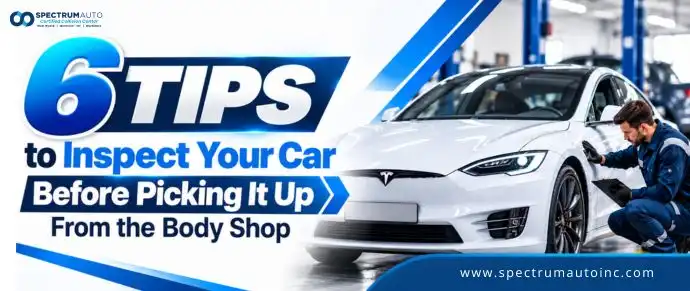
Conduct a comprehensive inspection before accepting delivery. Tesla's policy allows reporting issues within 24 hours (up to 72 hours for cosmetic concerns).
Documents and Paperwork
- Verify VIN matches all paperwork
- Confirm vehicle specifications match your order
- Bring proof of payment and insurance
Exterior Inspection
- Paint Quality: Look for scratches, swirl marks, overspray, or color inconsistencies
- Panel Gaps: Inspect alignment between body panels, particularly around the frunk, doors, and trunk
- Glass: Check the windshield and windows for chips, cracks, or distortion
- Wheels and Tires: Examine rims for damage and confirm all valve stem covers are present
- Lights: Test headlights, taillights, and turn signals, and ensure no condensation is present inside housings
- Undercarriage: Look underneath for scrapes or damage from transport
Interior Inspection
- Upholstery: Check for stains, tears, or defects
- Touchscreen: Open the Sketchpad app to check for phantom touches or dead pixels
- Climate Control: Test heating and A/C at full power
- Audio: Test all speakers by adjusting the balance
- Doors/Windows: Verify smooth operation
Functional Tests
- Test both key cards to ensure they unlock and start the vehicle
- Verify the charge port opens and closes properly
- Check the frunk and trunk operation
- Test windshield wipers and washer fluid
- Confirm all cameras (rearview, blind spot, turn signal) function correctly
- Test Autopilot sensors and verify no error messages appear
- Pair a smartphone via Bluetooth and test connectivity
Tesla Body Shop Standards: What You Need to Know
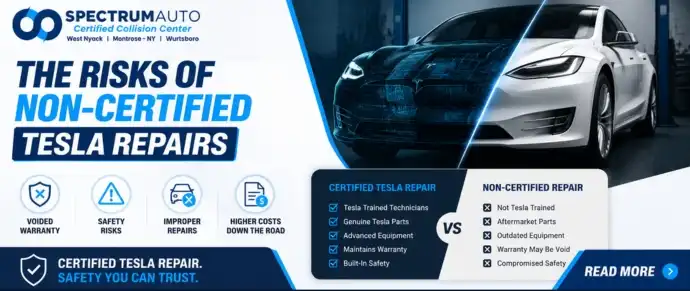
When repairs are needed, selecting a Tesla-approved body shop is crucial. Tesla vehicles contain advanced technology and high-strength materials requiring specialized knowledge.
Benefits of a Tesla Certified Collision Center
Tesla vehicles contain advanced technology, high-strength materials, and complex safety systems that require specialized knowledge:
- Factory Training: Technicians undergo rigorous factory training and receive ongoing updates
- Genuine OEM Parts: Certified shops have access to authentic Tesla parts that maintain vehicle integrity
- Proper Equipment: Technicians are trained on the proper use of the Tesla Body Repair Program Operating Standards regarding equipment, tools, and technologies
- Safety System Calibration: Tesla vehicles rely on extensive sensors and cameras that must be precisely calibrated to ensure optimal performance
After Locating a Qualified Tesla-Approved Collision Center Near Me
Verify local body shops have Tesla approved collision center credentials, I-CAR certifications (WCA03 and WCS03), and access to genuine Tesla parts and official repair procedures.
What to Expect from a Certified Tesla Body Shop
- Detailed damage assessment using Tesla-approved diagnostic equipment
- Repairs using genuine Tesla OEM parts
- Proper recalibration of Autopilot, Full Self-Driving, and safety systems
- Paint matching using Tesla-specific color systems
- Comprehensive testing before returning the vehicle
- Warranty coverage on repair work (often lifetime warranties)
Independent shops that aren't Tesla-approved may not have access to OEM parts, and the fit, finish, and safety systems might not measure up to Tesla's demanding standards post-repair.
Post-Delivery and Ongoing Maintenance
First Week Checks
During the first 100 miles of driving:
- Listen for unusual noises with windows up and no music playing
- Monitor for excessive wind noise or vibrations
- Verify Autopilot calibrates properly (takes approximately 20 miles)
- Submit any issues through the Tesla app within 24 hours
Regular Maintenance Schedule
- Tire rotation every 6,250 miles or when the tread depth difference exceeds 2/32 inch
- Cabin air filter replacement every two years
- Brake fluid testing every two years
- Battery coolant service (varies by model)
- Annual multi-point inspection for peace of mind
Spectrum Auto Inc. Your Path to Safe Tesla Ownership
Owning a Tesla in 2026 comes with tremendous benefits, but protecting that investment requires diligence. By conducting thorough pre-delivery inspections, staying informed about recalls, and choosing qualified repair facilities, owners ensure their vehicles remain safe and perform as designed.
For Tesla owners in New York, Spectrum Auto Inc. serves as a trusted Tesla-certified collision center with over 30 years of experience. They bring I-CAR Gold Class certification, I-CAR Platinum certified technicians, and genuine OEM Tesla parts to every repair. Their lifetime warranty on collision repairs ensures quality workmanship and stress-free insurance claims processing. Trust certified professionals who understand Tesla's advanced technology to keep your vehicle running safely for years to come.
Frequently Asked Questions
Q: How do I know if my Tesla is affected by a recall?
A: Check the NHTSA website using your VIN, monitor the Tesla mobile app for notifications, or visit Tesla's recall support page. Tesla will also mail notification letters to affected owners.
Q: Can any body shop repair my Tesla?
A: While any shop can attempt repairs, non-certified facilities may lack access to genuine Tesla parts, proper equipment, and trained technicians. For Tesla owners, Spectrum Auto Inc. serves as a trusted Tesla-certified collision center with over 30 years of experience. They bring I-CAR Gold Class certification, I-CAR Platinum certified technicians, and genuine OEM Tesla parts to every repair, with a lifetime warranty on collision repairs.
Q: How long does a battery contactor recall repair take?
A: The battery pack contactor replacement takes approximately one hour. Owners can schedule appointments through the Tesla mobile app at no cost.