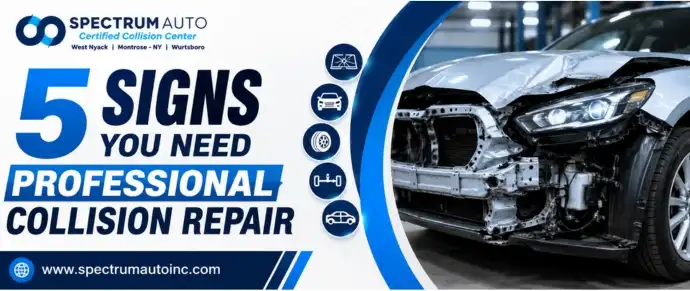
After a vehicle accident, most owners immediately notice the visible damage. Dented fenders, scratched paint, broken headlights, and damaged bumpers often become the main focus. While appearance certainly matters, the visible damage is only part of the story.
Even a relatively minor collision can affect a vehicle's structural integrity, safety systems, suspension components, and overall performance. Some of these issues may not be obvious during a quick visual inspection. This is why professional collision repair involves much more than making a vehicle look good again.
Quality repairs help restore safety, drivability, and long-term reliability. The goal is not simply to repair dents and repaint panels but to return the vehicle as close as possible to its pre-accident condition.
Let's look at what happens before and after the repair process and why professional repairs play such an important role in vehicle safety.
What Happens to a Vehicle During a Collision?
When a vehicle experiences an impact, the force travels throughout the structure of the car.
The result can include:
Visible Damage
Common visible damage includes:
- Dents
- Scratches
- Cracked bumpers
- Broken lights
- Damaged body panels
These issues are easy to identify and are often the first repairs customers notice.
Hidden Structural Damage
Beneath the surface, a collision may cause:
- Bent frame components
- Misaligned structural supports
- Suspension damage
- Hidden cracks in panels
These problems can affect safety even if the vehicle still appears drivable.
Impact on Safety Systems
Modern vehicles contain numerous safety features such as:
- Airbags
- Crash sensors
- Driver assistance systems
- Parking sensors
- Cameras
A collision can affect these systems even when no warning lights appear immediately.
Effects on Driving Performance
Accident damage may lead to:
- Steering problems
- Uneven tire wear
- Poor handling
- Vehicle pulling to one side
These issues often become noticeable after the accident.
The “Before” Stage: Common Problems Found After an Accident
Professional technicians frequently discover more damage than what is visible during the initial inspection.
Common issues include:
Damaged Bumpers
Modern bumpers absorb impact energy during collisions. Internal damage may exist even if the bumper cover appears only slightly damaged.
Misaligned Frames
A bent frame can affect:
- Vehicle stability
- Wheel alignment
- Structural strength
Suspension Issues
Collision impacts may damage:
- Control arms
- Struts
- Shock absorbers
- Suspension mounting points
Cracked Panels
Small cracks can spread over time and may eventually require more extensive repairs.
Sensor and ADAS Damage
Advanced Driver Assistance Systems (ADAS) rely on sensors and cameras positioned throughout the vehicle.
Impacts can affect:
- Blind spot monitoring
- Lane departure systems
- Forward collision warning systems
Paint Damage and Corrosion Risks
Damaged paint leaves metal exposed to moisture, increasing the risk of rust and corrosion.
Why Appearance Alone Doesn't Tell the Full Story
Many vehicle owners assume that if their car looks acceptable after an accident, it is safe to drive.
Unfortunately, that is not always true.
Hidden damage often exists behind:
- Body panels
- Bumpers
- Wheel wells
- Structural supports
Without proper inspection, important safety concerns may remain undetected.
Risks of Delaying Repairs
Postponing repairs can result in:
- Increased repair costs
- Progressive damage
- Reduced vehicle safety
- Lower resale value
Professional inspections help identify problems before they become more serious.
The Collision Repair Process: Step by Step
A professional repair process involves much more than replacing damaged parts.
1. Initial Inspection
Technicians perform a thorough visual inspection and document all visible damage.
2. Damage Assessment
Specialized equipment may be used to identify hidden structural and mechanical issues.
3. Structural and Frame Repair
If frame damage exists, technicians restore alignment using manufacturer-approved procedures and precision measuring systems.
4. Panel Repair or Replacement
Depending on the extent of the damage, panels may be repaired or replaced.
5. Paint Matching and Refinishing
Modern paint matching technology helps ensure repaired sections blend with the original finish.
6. Quality Control Checks
Repair teams inspect workmanship, alignment, and finish quality before final approval.
7. Final Safety Inspection
Technicians verify that all systems function properly before returning the vehicle to the customer.
If you're searching for an autobody repair shop near me, understanding these repair stages can help you choose a facility that prioritizes safety as well as appearance.
The “After” Stage: How Professional Repairs Restore Safety
Once repairs are completed, the goal is to restore the vehicle's safety and performance.
Structural Integrity
Proper repairs help restore the vehicle's original strength and crash protection.
Airbag System Readiness
Damaged sensors and related components are inspected and repaired to help ensure proper airbag function.
Proper Panel Alignment
Accurate panel alignment contributes to:
- Vehicle aerodynamics
- Weather sealing
- Appearance
- Structural performance
Steering and Suspension Performance
Correct repairs help restore:
- Smooth handling
- Stable steering
- Proper tire wear
Sensor Calibration
Modern vehicles often require recalibration of:
- Cameras
- Radar sensors
- Driver assistance systems
Overall Vehicle Safety
Comprehensive repairs help ensure the vehicle performs as intended during everyday driving and future emergency situations.
Why Choosing the Right Repair Shop Matters
Not every repair facility offers the same level of expertise and equipment.
Look for repair centers that provide:
Certified Technicians
Training and certifications demonstrate commitment to proper repair standards.
Modern Repair Equipment
Advanced measuring systems help identify hidden structural damage.
Manufacturer Repair Procedures
Following factory repair guidelines helps ensure safe and accurate repairs.
Quality Control Standards
Thorough inspections help reduce the risk of overlooked issues.
Long-Term Vehicle Reliability
Quality repairs can contribute to better performance and durability over time.
Signs a Vehicle May Have Hidden Collision Damage
Even after an accident that appears minor, watch for these warning signs:
- Uneven tire wear
- Vehicle pulling to one side
- Unusual noises while driving
- Poor door or trunk alignment
- Dashboard warning lights
- Water leaks inside the cabin
- Steering wheel vibration
If you notice any of these symptoms, schedule a professional inspection as soon as possible.
The Long-Term Benefits of Proper Collision Repair
Investing in professional repairs offers several advantages.
Improved Safety
Restoring structural integrity helps protect occupants in future accidents.
Better Resale Value
Documented professional repairs help maintain vehicle value.
Reduced Future Repair Costs
Addressing hidden damage early can prevent additional problems later.
Restored Vehicle Appearance
Professional refinishing helps return the vehicle to a clean, attractive condition.
Greater Driving Confidence
Knowing the vehicle has been properly repaired provides peace of mind.
Common Misconceptions About Collision Repair
Several myths often lead drivers to delay necessary repairs.
"If the Car Looks Fine, It Must Be Safe"
Hidden structural and safety-related damage may exist beneath the surface.
"Minor Accidents Don't Cause Structural Damage"
Even low-speed impacts can affect alignment and safety systems.
"Any Repair Shop Can Perform Collision Repairs Equally Well"
Collision repair requires specialized training, equipment, and repair procedures.
"Insurance Always Covers Every Repair Cost"
Coverage varies depending on policy details, deductibles, and claim circumstances.
Conclusion
Collision repair involves much more than restoring a vehicle's appearance. While dents, scratches, and damaged panels are often the most noticeable issues, hidden structural damage can affect safety, handling, and long-term reliability.
Professional repairs help address both visible and hidden damage through careful inspections, proper repair procedures, and detailed safety checks. Taking accident damage seriously can help protect your investment and ensure your vehicle continues to perform safely.
At Spectrum Auto Inc., customers receive comprehensive inspections, quality workmanship, and safety-focused repair solutions. Their experienced team understands the importance of restoring both appearance and structural integrity after an accident. From frame repair to paint matching and final safety inspections, they are committed to helping vehicle owners return to the road with confidence.
If your vehicle has been involved in an accident, contact Spectrum Auto Inc. today to schedule an inspection or request a repair estimate. Choosing a trusted repair facility can make a significant difference in the safety and performance of your vehicle.
Frequently Asked Questions
1. How do I know if my vehicle has hidden collision damage?
Signs may include steering problems, uneven tire wear, unusual noises, warning lights, or poor panel alignment. A professional inspection is the best way to identify hidden issues.
2. Can collision repairs restore my vehicle to its original condition?
In many cases, professional repairs can restore the vehicle's appearance, safety systems, and performance very close to pre-accident condition.
3. How long does collision repair typically take?
Repair timelines vary based on the extent of the damage, parts availability, and insurance approvals. Minor repairs may take a few days, while major repairs can require additional time.
4. Will insurance cover collision repair costs?
Coverage depends on your policy, deductible, and the circumstances of the accident. Contact your insurance provider for specific details.
5. Why is frame repair important after an accident?
Frame repair helps restore structural integrity, proper alignment, and overall vehicle safety following collision damage.
When researching an autobody repair shop near me, make sure the facility has experience with structural repairs, safety inspections, and manufacturer-approved repair procedures.