Weather can be surprisingly harsh on your vehicle's exterior. From scorching summer heat to freezing winter temperatures, every season brings unique challenges that can damage your car's paint and body. Understanding these effects helps protect your investment and keeps your vehicle looking pristine year-round.
UV Radiation and Its Impact on Automotive Paint
Prolonged exposure to UV rays does more than just heat up your car's interior. The sun's ultraviolet radiation gradually breaks down the chemical bonds in your vehicle's paint, causing it to fade, oxidize, and lose its protective clear coat. Different external factors influence how quickly this process happens, and the same holds true for 2026.
Signs of sun damage include:
- Dull, faded paint that lacks its original shine
- Chalky residue on the surface
- Uneven coloring across different panels
- Peeling or cracking clear coat
Parking in shaded areas or using a car cover provides immediate protection. Regular waxing creates an additional barrier between UV rays and your paint surface. When sun damage becomes extensive, visiting a professional car paint shop ensures proper restoration using advanced color-matching technology.
Winter Conditions and Their Effects on Automotive Surfaces
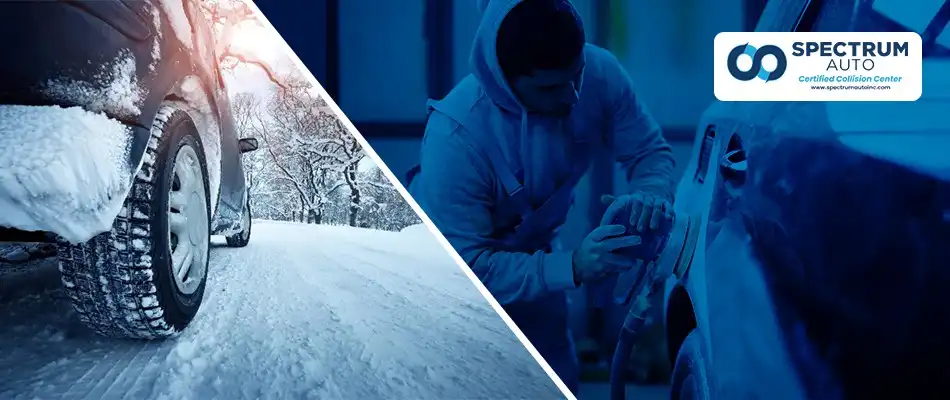
Winter poses multiple threats to your vehicle's body and paint. Road salt, used to melt ice on highways, contains chemicals that accelerate rust formation. Salt particles lodge in wheel wells, undercarriages, and small paint chips, creating corrosion that spreads beneath the surface.
Freezing temperatures cause paint to contract, making it brittle and more susceptible to cracking. When snow and ice accumulate on your vehicle, improper removal techniques can scratch the clear coat or leave permanent marks.
Winter protection strategies:
- Wash your vehicle regularly during winter months to remove salt buildup.
- Apply a protective sealant before the first snowfall.
- Use proper ice scrapers with soft edges.
- Address any paint chips immediately to prevent rust from forming underneath.
The Corrosive Impact of Rain and Humidity on Vehicle Paint
Many car owners underestimate how rain affects automotive paint. Rainwater contains pollutants, acid, and minerals that etch into paint surfaces. When water droplets dry on your car, they leave behind these contaminants, creating water spots that become increasingly difficult to remove over time.
High humidity creates the perfect environment for rust, especially in areas where paint has been compromised. Moisture seeps into tiny cracks and chips, causing oxidation that spreads beneath the paint layer. An experienced auto body repair shop can identify and treat these problem areas before they require extensive work.
Hail and Storm Damage
With 2026 approaching, many drivers remain concerned about how severe weather can impact their vehicles. Hail creates dents and dings that not only affect your car's appearance but also compromise the protective paint layer. Even small hailstones can cause damage that leads to bigger problems if left untreated.
Wind-blown debris during storms can scratch paint, crack windshields, and dent body panels. These seemingly minor issues create entry points for moisture and contaminants.
Heat Waves and Paint Expansion
Extreme heat causes automotive paint to expand. Repeated expansion and contraction cycles weaken the paint's molecular structure, leading to premature aging. Dark-colored vehicles absorb more heat, making them particularly vulnerable to heat-related paint damage.
Modern paint formulations used by quality auto body shops include UV inhibitors and heat-resistant polymers, but they still require proper maintenance and protection.
Protecting Your Investment in 2026
Regular maintenance prevents weather-related damage from becoming costly repairs. Washing your vehicle every two weeks removes harmful contaminants. Applying a high-quality wax or ceramic coating every three to four months provides excellent protection against environmental elements.
When searching for an auto body paint shop near me, look for facilities that use environmentally controlled paint booths and advanced color-matching technology. These features ensure repairs blend seamlessly with your vehicle's existing finish.
Essential maintenance schedule:
- Weekly: Quick wash to remove surface contaminants
- Monthly: Detailed cleaning, including wheel wells and undercarriage
- Quarterly: Professional wax or sealant application
- Annually: Comprehensive inspection at a professional shop
When Professional Help Becomes Necessary
Some weather damage requires professional intervention. Oxidized paint, deep scratches, rust spots, and significant dents need specialized equipment and expertise to repair correctly. Attempting DIY fixes often makes problems worse and reduces your vehicle's resale value.
Professional technicians assess damage comprehensively, addressing both visible issues and underlying problems that could worsen over time. They use factory-matched paint formulations and proper application techniques that ensure lasting results.
Frequently Asked Questions
Q: How often should I wax my car to protect against weather damage?
A: Apply wax or sealant every 3-4 months for optimal protection. Vehicles exposed to harsh conditions may benefit from more frequent applications.
Q: Can weather damage affect my car's resale value?
A: Absolutely. Faded paint, rust spots, and body damage significantly decrease resale value. Regular maintenance and prompt repairs preserve your vehicle's worth.
Q: How quickly should I address paint chips?
A: Address paint chips within days of noticing them. Small chips quickly become rust problems, especially in humid or salty environments.
Q: Is ceramic coating worth the investment?
A: Ceramic coatings provide superior protection lasting 2-5 years, making them cost-effective for long-term vehicle ownership and harsh climates.
Conclusion
Weather constantly challenges your vehicle's exterior, but proactive protection minimizes damage and expensive repairs. Regular washing, protective coatings, and prompt attention to minor issues keep your car looking showroom-fresh regardless of environmental conditions. When professional restoration becomes necessary, choosing a reputable car paint shop ensures quality repairs that protect your investment for years to come. Don't wait until weather damage becomes extensive—preventive care and expert attention from an autobody repair shop save money while maintaining your vehicle's appearance and value.