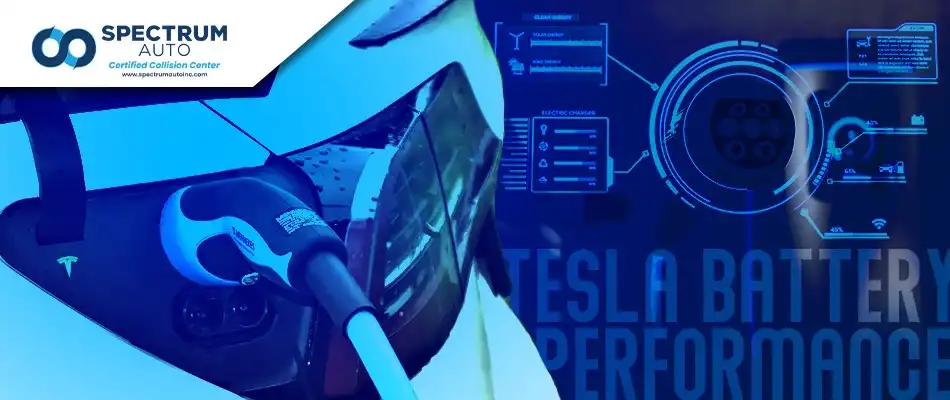
Winter is coming, and Tesla owners everywhere are asking the same question: Does cold weather really impact battery performance? The short answer is yes—it's a fact, not a myth. But understanding why this happens and how to manage it can make all the difference in your electric vehicle experience during those frosty months.
The Science Behind Tesla in Cold Weather
When temperatures drop, the chemistry inside your Tesla's battery changes. Lithium-ion batteries, which power all electric vehicles, rely on chemical reactions to generate electricity. In cold weather, these reactions slow down significantly, similar to how honey becomes thicker when refrigerated.
The EV battery cold-weather phenomenon affects all electric vehicles, not just Teslas. However, understanding how your specific vehicle responds helps you prepare better for winter driving conditions.
What Actually Happens to Your Battery?
Cold temperatures impact your Tesla's battery in several ways:
- Reduced chemical activity: The lithium ions move more slowly through the battery's electrolyte solution, limiting power output.
- Increased internal resistance: The battery has to work harder to deliver the same amount of energy.
- Energy diverted to heating: Your Tesla uses battery power to keep the battery pack itself at optimal operating temperature.
- Cabin heating demands: Heating the interior takes significant energy, unlike gas cars that use waste heat from the engine.
Think of it this way—the electric vehicle battery in cold weather is like an athlete trying to perform in freezing conditions without warming up first.
Tesla Cold Weather Charging: What You Need to Know
Charging your Tesla in winter requires extra patience and planning. Cold batteries simply can't accept a charge as quickly as warm ones. Here's what happens during Tesla cold-weather charging:
- Slower charging speeds: Even at a Supercharger, your vehicle may charge at reduced rates until the battery warms up.
- Preconditioning is essential: Tesla's navigation system automatically preconditions the battery when routing to a Supercharger.
- Increased charging time: Expect 25-50% longer charging sessions in extreme cold.
- Battery protection: Your Tesla limits charging speed to prevent damage to cold battery cells.
The good news? Tesla's battery management system is designed to protect your investment while maximizing performance in all conditions.
Range Loss: The Real Numbers
Studies show that electric vehicles can lose 20-40% of their range when temperatures drop below freezing. For Tesla owners, this means:
- A Model 3 Long Range rated at 358 miles might deliver only 215-285 miles in cold weather.
- Highway driving in freezing temperatures typically shows greater range loss.
- Stop-and-go city driving may be less affected since regenerative braking helps warm the battery.
However, this doesn't mean winter driving is impossible. With proper planning and the right strategies, cold weather becomes manageable rather than problematic.
Maximizing Your Tesla's Winter Performance
Smart Tesla owners can minimize cold-weather impacts with these proven strategies:
- Pre-heat while plugged in: Warm the cabin and battery while connected to power.
- Use scheduled departure: Program your Tesla to be ready when you leave.
- Park in a garage: Even an unheated garage provides significant protection.
- Reduce highway speeds: Aerodynamic drag increases energy consumption.
- Use seat heaters: They're more efficient than cabin heating.
- Keep the battery charged: A fuller battery performs better in cold weather.
FAQs About Tesla Battery Performance in Cold Weather
Do Tesla Car Batteries Drain More In Cold Weather?
Yes, Tesla batteries do drain faster in cold weather. The battery uses energy to heat itself to optimal operating temperature, and cabin heating adds additional drain. Owners typically notice a 20-40% reduced range during winter months, depending on how cold it gets and driving conditions.
Why Do Electric Car Batteries Lose Range in Cold Weather?
Electric car batteries lose range in cold weather because low temperatures slow down the chemical reactions inside lithium-ion cells. The battery's internal resistance increases, making it less efficient at delivering power. Additionally, energy is consumed to heat both the battery pack and the cabin, which doesn't affect traditional gas vehicles the same way.
How Can I Get More Range From My Tesla In Cold Weather?
Getting more range from your Tesla in winter involves several strategies. Precondition the battery while plugged in before driving, use seat heaters instead of cranking up the cabin heat, maintain moderate highway speeds, and keep your tire pressure properly inflated. Parking in a garage and using scheduled departure features also help preserve range significantly.
What's The Best Temperature Range For A Tesla?
The optimal temperature range for Tesla battery performance is between 60-80°F (15-27°C). Within this range, the battery operates at peak efficiency without needing additional energy for heating or cooling. Performance remains strong between 40-90°F, but efficiency drops noticeably below 40°F and above 95°F.
Taking Care of Your Tesla Year-Round
Understanding how cold weather affects your Tesla empowers you to make informed decisions about winter driving. While range loss is real, it's temporary and manageable with the right approach.
Should your Tesla require maintenance or repair during the winter months, working with a Tesla Approved body shop ensures your vehicle receives expert care that meets manufacturer standards. These certified facilities have specialized training and equipment to handle Tesla's unique systems, keeping your electric vehicle performing optimally regardless of the season.
Tesla Approved body shop professionals can also assist with other aspects of your car's care, such as proper winterization and battery diagnostics, to ensure your Tesla remains in top shape during the colder months.
Cold-weather challenges are just one aspect of Tesla ownership. With knowledge and preparation, winter driving becomes another opportunity to appreciate the engineering excellence behind these innovative vehicles.