Tesla vehicles are engineered differently from traditional cars. They use advanced materials, integrated electronics, and complex safety systems that require specialized repair methods. After a collision, restoring a Tesla is not just about fixing visible damage. It involves precise diagnostics, structural repair, system calibration, and safety verification.
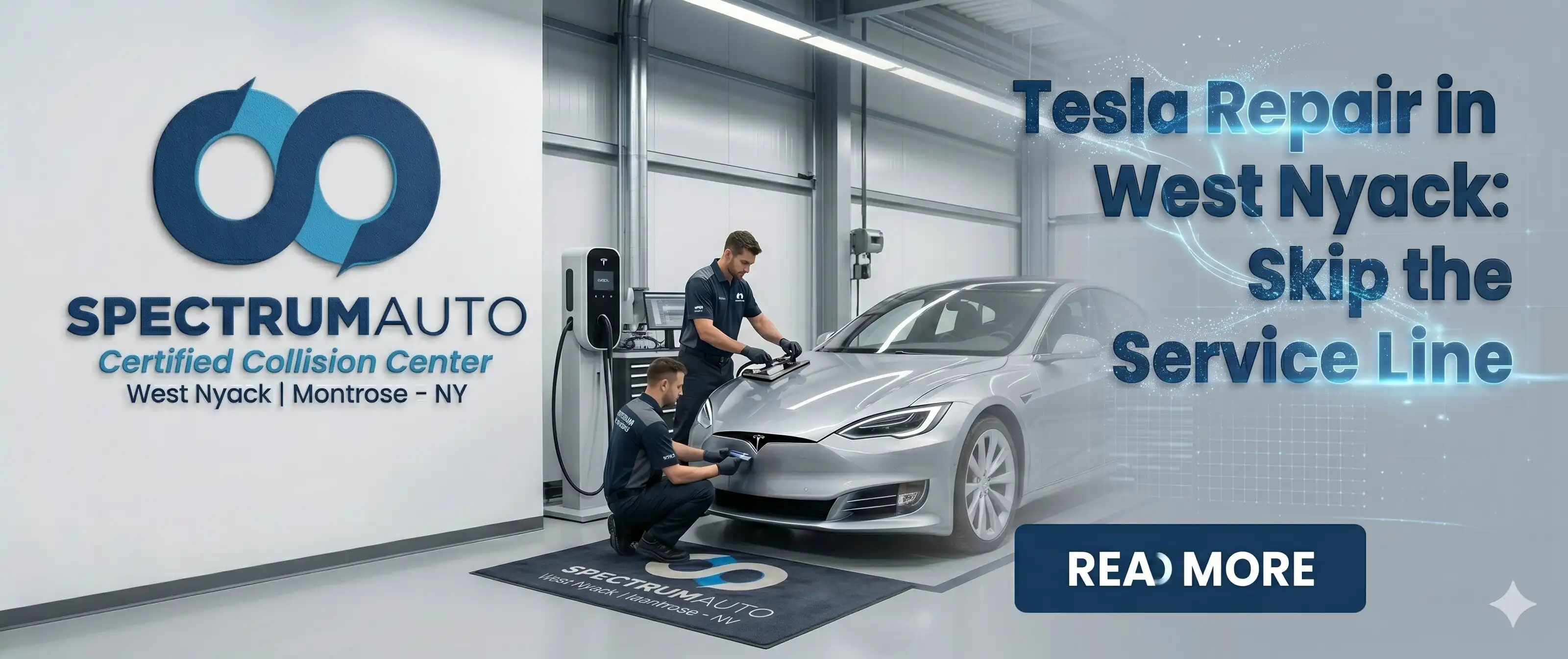
This guide explains the complete Tesla collision repair process followed by certified professionals to ensure the vehicle returns to factory standards.
Why Tesla Collision Repair Requires Specialized Expertise
Tesla vehicles are built using aluminum-intensive bodies, high-voltage battery systems, and integrated driver assistance features. Improper repairs can affect safety, performance, and vehicle warranty.
Certified repair facilities follow strict manufacturer procedures, use approved tools, and install genuine parts. This ensures:
- Proper restoration of structural integrity
- Accurate alignment of sensors and cameras
- Protection of battery and electrical systems
- Maintenance of vehicle safety standards
Repairing a Tesla without proper certification can lead to long-term safety and reliability issues.
Step 1: Initial Inspection and Damage Assessment
The process begins with a detailed inspection performed by trained technicians.
This includes:
- Visual inspection of exterior damage
- Structural analysis using measuring systems
- Electronic system scanning
- Safety system evaluation
- Battery and high-voltage system inspection
Advanced diagnostic tools are used to identify hidden damage that may not be visible.
Technicians create a detailed repair plan based on Tesla’s official repair procedures.
Step 2: Vehicle Safety Preparation
Before starting repairs, safety preparation is critical due to Tesla’s high-voltage systems.
Certified technicians perform:
- High-voltage system shutdown
- Battery isolation and protection
- Electrical safety verification
- Disconnection of sensitive components
This ensures safe working conditions and prevents damage to electrical systems.
Only trained professionals at a Tesla-Certified Collision Center are authorized to handle these procedures safely.
Step 3: Structural Repair and Frame Restoration
Structural integrity is essential for vehicle safety. Tesla vehicles are designed with precise crumple zones and structural components.
Structural repair may include:
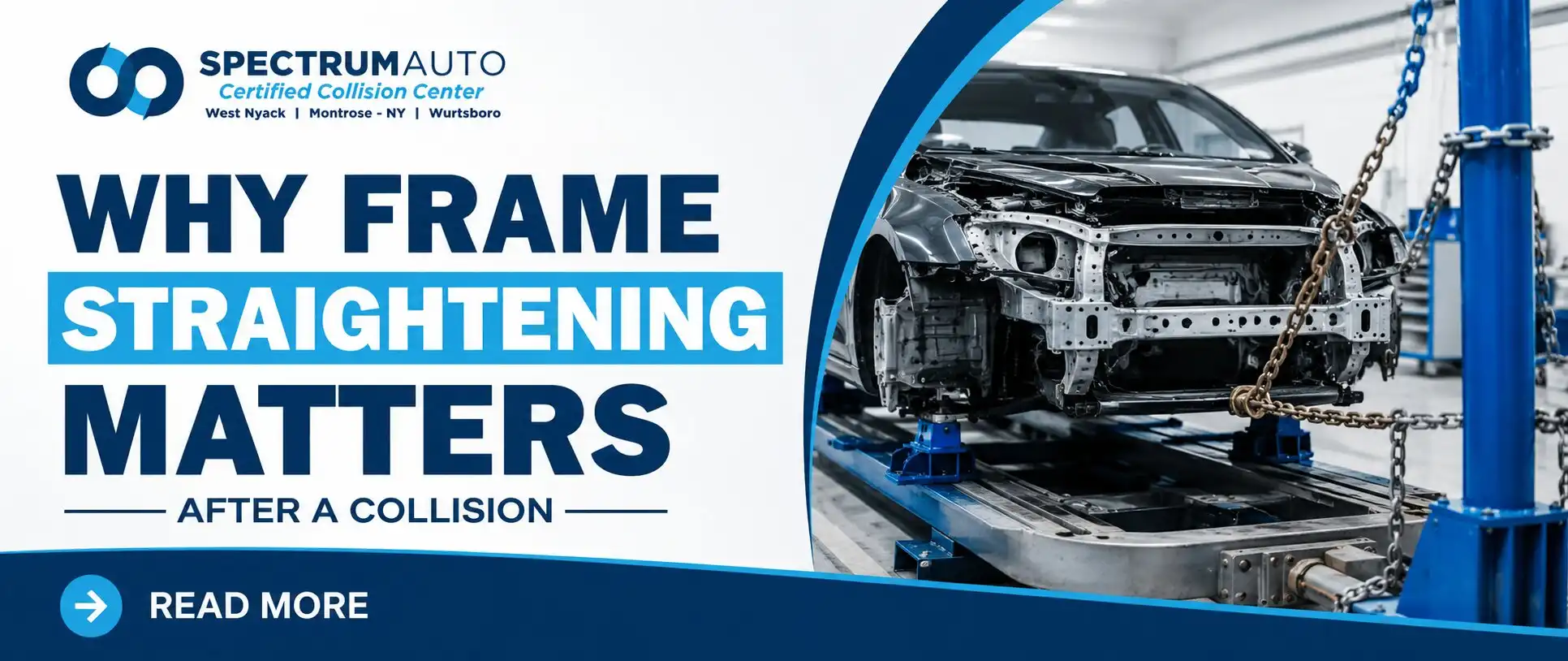
- Frame alignment using precision equipment
- Replacement of damaged structural parts
- Aluminum welding using approved techniques
- Panel replacement with factory parts
Tesla requires specific welding methods and tools to maintain strength and safety standards.
Improper structural repair can compromise vehicle crash protection.
Step 4: Body Panel Repair or Replacement
After structural repair, technicians focus on restoring the vehicle’s exterior.
This may involve:
- Dent repair or panel replacement
- Aluminum body repair
- Panel alignment and fit adjustment
- Surface preparation for painting
Only genuine Tesla parts are used to ensure proper fit, durability, and safety.
Using aftermarket parts can affect vehicle performance and warranty coverage.
Step 5: Precision Painting and Color Matching
Tesla vehicles use high-quality paint finishes that require precise matching.
Certified facilities perform:
- Factory-approved paint application
- Computerized color matching
- Controlled paint booth refinishing
- Protective coating application
This ensures the repaired area matches the original finish perfectly.
The goal is to restore both appearance and corrosion protection.
Step 6: Electronic System Calibration
Tesla vehicles rely on advanced driver assistance systems, cameras, and sensors.
After repairs, technicians recalibrate:
- Autopilot cameras
- Parking sensors
- Radar systems
- Safety sensors
- Electronic control modules
Calibration ensures all safety features work correctly.
This step is essential for vehicle safety and proper system performance.
A Tesla-approved collision center uses Tesla-specified tools and software for accurate calibration.
Step 7: Quality Inspection and Safety Verification
Before returning the vehicle, technicians conduct a complete quality check.
This includes:
- Structural integrity verification
- System diagnostics scan
- Safety system confirmation
- Road testing
- Final visual inspection
Every repair must meet Tesla’s repair standards.
This ensures the vehicle is safe to drive and performs as expected.
Step 8: Final Delivery and Customer Guidance
After repairs are completed, the vehicle is prepared for delivery.
Customers receive:
- Repair summary
- Confirmation of system calibration
- Warranty information
- Safety verification details
This provides transparency and peace of mind.
Certified repairs help maintain vehicle value and long-term reliability.
Why Certified Tesla Repair Centers Are Important
Choosing a certified repair facility ensures your vehicle receives proper care.
Certified centers provide:
- Manufacturer-approved repair procedures
- Trained technicians
- Genuine Tesla parts
- Advanced diagnostic tools
- Proper structural repair methods
This protects vehicle safety, performance, and resale value.
Improper repairs can cause safety risks and costly future problems.
Conclusion
Tesla collision repair is a precise and carefully controlled process. It involves detailed inspection, structural restoration, electronic calibration, and safety verification.
Certified repair professionals follow strict procedures to restore the vehicle to factory condition. This ensures the vehicle remains safe, reliable, and performs correctly.
For Tesla owners, choosing a certified repair facility is essential. It protects the vehicle’s advanced systems, structural safety, and long-term value. Proper repair ensures the vehicle continues to deliver the performance and safety Tesla is known for.
FAQs
1. How long does Tesla collision repair take?
Repair time depends on the extent of damage. Minor repairs may take a few days, while structural repairs can take several weeks due to parts availability, structural work, and system calibration.
2. Can any body shop repair a Tesla vehicle?
No. Tesla vehicles require specialized tools, training, and approved repair procedures. Only certified repair facilities have the proper equipment and expertise to perform safe and accurate repairs.
3. Does Tesla collision repair include system calibration?
Yes. After structural and body repairs, technicians recalibrate sensors, cameras, and safety systems. This ensures all vehicle features work properly and safely after repair.