Every car owner encounters mechanical issues at some point. Knowing how to identify and address these problems helps you avoid costly repairs and unnecessary downtime. While some repairs require professional auto mechanic services, knowing what's wrong with your vehicle helps you make informed decisions about maintenance and repairs.
10 Common Mechanical Problems in Cars You'll Encounter
1. Dead Battery
A dead battery is one of the most frequent reasons cars won't start. Batteries typically last three to five years, but can fail prematurely due to extreme temperatures or leaving lights on.
How to Fix: Jump-start your car using jumper cables and another vehicle. If your battery keeps failing, it's time for a new one. Regular battery testing during routine maintenance can prevent unexpected failures.
2. Worn Brake Pads
Squealing, grinding noises, or a soft brake pedal indicate worn brake pads. This is a critical safety issue that requires immediate attention from mechanical..
How to Fix: Brake pads should be inspected every 12,000 miles and replaced when worn down. Never ignore brake problems, as they directly affect your safety on the road.
3. Oil Leaks
Dark puddles under your parked car often signal an oil leak. This can result from a damaged oil pan, worn gaskets, or loose drain plugs.
How to Fix: Identify the leak source by checking the oil pan, valve cover gasket, and oil filter. Minor leaks from loose components can be tightened, but damaged gaskets require professional replacement to prevent engine damage.
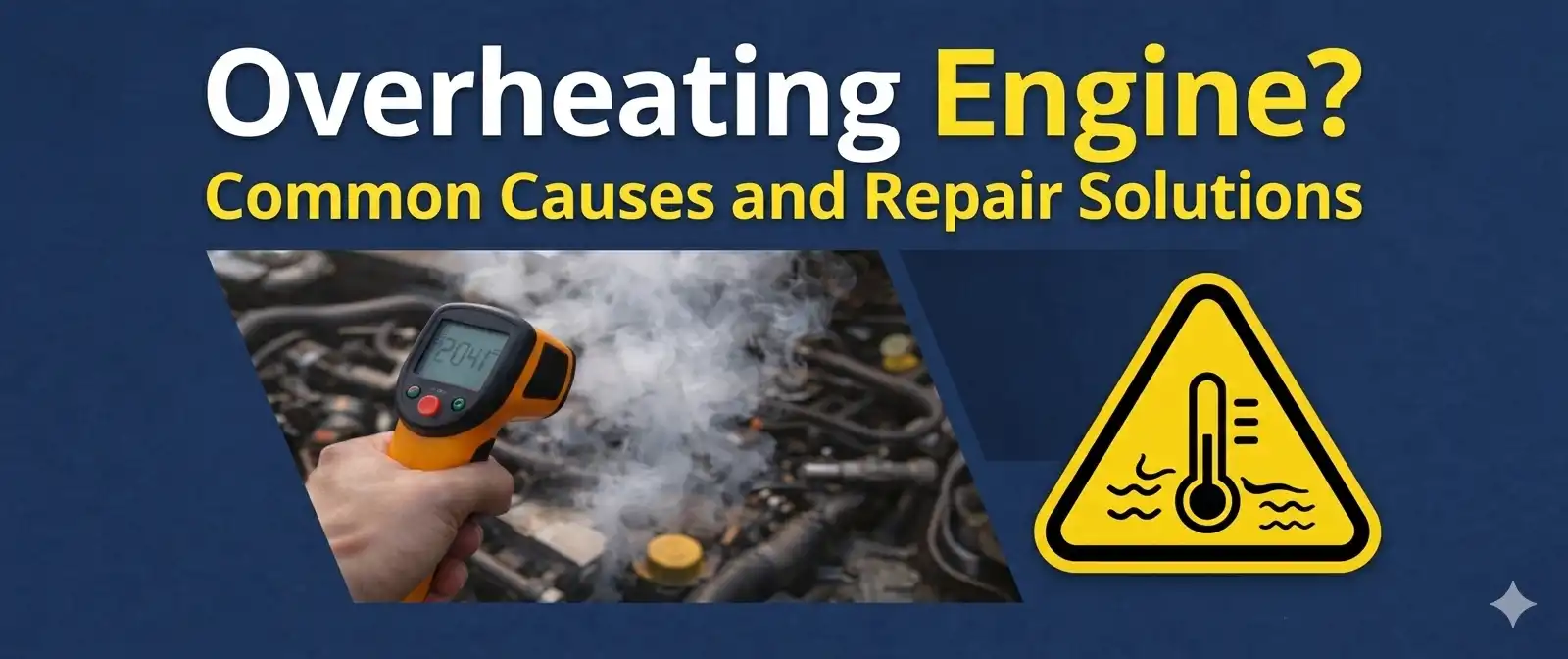
4. Engine Overheating
Failing to address an overheating engine promptly can result in expensive repairs. Common causes include low coolant levels, a faulty thermostat, or a damaged radiator.
How to Fix: Check coolant levels and refill if low. If the problem continues, examine the radiator, water pump, and thermostat for issues. Professional auto mechanic services can diagnose and repair cooling system failures effectively.
5. Faulty Spark Plugs
Worn spark plugs cause rough idling, poor fuel economy, and difficulty starting. Most vehicles need spark plug replacement every 30,000 to 100,000 miles, depending on the type.
How to Fix: Replace spark plugs according to your manufacturer's schedule. This is a relatively simple DIY task for those comfortable with basic car maintenance, though professionals can ensure proper installation.
6. Alternator Failure
Your alternator keeps the battery charged when the engine is running. Warning signs include dimming headlights, electrical issues, or a battery warning light on the dashboard.
How to Fix: Test the alternator with a multimeter or have it checked during routine service. A failing alternator must be replaced to prevent being stranded with a dead battery.
7. Transmission Problems
Transmission mechanical issues manifest as grinding noises, delayed shifting, or slipping gears. These problems can be expensive if neglected.
How to Fix: Check transmission fluid levels and condition regularly. Low or dirty fluid causes many transmission problems. Major transmission repairs require experienced mechanical repair services with specialized knowledge.
8. Worn Tires
Uneven wear, low tread depth, or visible damage compromises safety and fuel efficiency. Replace your tires once the tread depth reaches 2/32 of an inch or less.
How to Fix: Rotate tires every 5,000 to 7,500 miles to promote even wear. Check tire pressure monthly and replace tires showing excessive wear or damage. Proper alignment and balanced tires extend tire life significantly.
9. Exhaust System Issues
A loud exhaust, decreased fuel efficiency, or a sulfur smell indicates exhaust system problems. Rust, physical damage, or failed components require attention.
How to Fix: Inspect the exhaust system for holes, rust, or loose connections. While minor repairs like tightening clamps are simple, replacing the muffler or catalytic converter requires professional help.
10. Fuel System Problems
Clogged fuel filters, failing fuel pumps, or dirty injectors cause poor performance, stalling, or difficulty starting. These issues affect engine efficiency and reliability.
How to Fix: Replace fuel filters according to your maintenance schedule, typically every 20,000 to 40,000 miles. Fuel injector cleaning and fuel pump replacement require specialized tools and expertise from qualified technicians.
Preventive Maintenance is Key
Regular maintenance prevents many common mechanical issues from developing into costly repairs. Follow your vehicle manufacturer's recommended service schedule, which includes:
- Oil changes every 3,000 to 7,500 miles
- Fluid level checks and top-ups
- Visual inspections of belts, hoses, and filters
- Regular tire rotations and alignments
- Brake system inspections
Conclusion
Understanding these common mechanical problems helps you recognize warning signs early and take appropriate action. While some minor issues can be addressed with basic tools and knowledge, complex repairs require professional auto mechanic services to ensure safety and reliability. Regular maintenance and prompt attention to problems protect your investment and keep your vehicle running smoothly for years to come.
Remember, addressing small issues early prevents them from becoming major, expensive repairs. When in doubt, consult qualified mechanical repair services to maintain your vehicle properly.
Frequently Asked Questions
Q: How often should I take my car to a mechanic for inspection?
A: Most experts recommend a professional inspection every six months or 6,000 miles, whichever comes first. However, always consult your owner's manual for manufacturer-specific recommendations.
Q: Is it safe to drive when the check engine light is on?
A: While you might be able to drive short distances, you should have your car diagnosed as soon as possible. A check engine light indicates your vehicle's computer has detected a problem that could worsen if ignored.
Q: What's the most expensive mechanical repair?
A: Transmission and engine replacements are typically the most expensive repairs, often costing $2,000 to $5,000 or more. Regular maintenance significantly reduces the likelihood of these major failures.
Q: What should I look for in a reliable mechanic?
A: Look for certifications like ASE (Automotive Service Excellence), read customer reviews, ask for detailed estimates before work begins, and don't hesitate to get a second opinion on major repairs.
Q: Are extended warranties worth it for mechanical repairs?
A: Extended warranties can provide peace of mind and financial protection, especially for used cars or vehicles with complex systems. Evaluate the coverage terms, deductibles, and your vehicle's reliability history before purchasing.