Being involved in a vehicle accident is stressful enough without having to worry about where to take your car for repairs. While many repair facilities may appear similar at first glance, the quality of workmanship, customer service, and repair standards can vary significantly.
Choosing the right repair shop is about more than restoring your vehicle’s appearance. Proper repairs help protect your safety, maintain vehicle performance, and preserve resale value. Poor-quality repairs, on the other hand, can lead to hidden structural issues, paint problems, and recurring mechanical concerns.
Before selecting a repair facility, it is important to ask the right questions. The answers can help you determine whether the shop has the experience, equipment, and commitment needed to restore your vehicle properly.
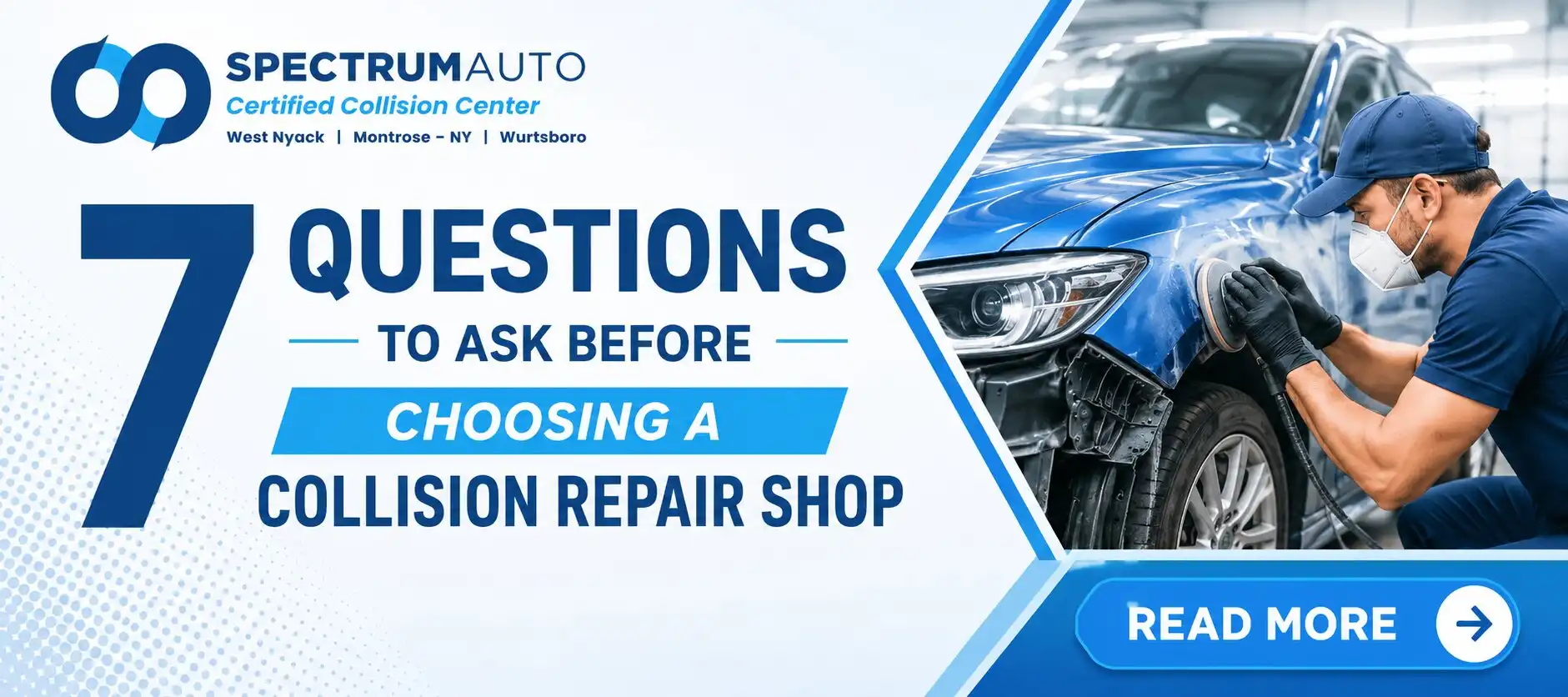
Here are seven important questions every vehicle owner should ask before choosing a collision repair facility.
1. Are Your Technicians Certified and Experienced?
One of the first questions you should ask is whether the technicians working on your vehicle are properly trained and certified.
Collision repair involves much more than fixing dents and repainting panels. Modern vehicles contain advanced safety systems, sensors, specialized materials, and manufacturer-specific repair procedures.
Look for:
- Industry-recognized certifications
- Ongoing technician training
- Experience with your vehicle make and model
- Knowledge of manufacturer repair standards
Certified technicians understand proper repair methods and stay updated on changing vehicle technologies.
Red Flags
- Staff cannot explain certifications
- No evidence of ongoing training
- Vague answers about repair procedures
For example, repairing a late-model vehicle with advanced driver-assistance systems requires specialized knowledge that inexperienced technicians may not possess.
2. Do You Provide Written Estimates?
A trustworthy repair facility should always provide a detailed written estimate before work begins.
A written estimate helps customers understand:
- Labor costs
- Replacement parts
- Paint and materials
- Repair timelines
- Additional recommended services
Transparent pricing reduces misunderstandings and allows customers to make informed decisions.
What to Look For
- Itemized repair breakdown
- Clear explanations of charges
- Documentation of expected repair work
Red Flags
- Verbal estimates only
- Unclear pricing structures
- Pressure to approve repairs immediately
Written estimates create accountability and help ensure everyone understands the scope of work.
3. What Type of Warranty Do You Offer on Repairs?
A repair warranty demonstrates confidence in workmanship and materials.
Many reputable facilities stand behind their work by offering warranties on:
- Auto body repair
- Paint work
- Replacement parts
- Labor
A warranty gives customers peace of mind and shows the shop is committed to quality.
Questions to Ask
- What does the warranty cover?
- How long does coverage last?
- Is the warranty transferable?
Red Flags
- No warranty offered
- Limited warranty coverage
- Unclear warranty terms
A quality repair should continue performing well long after you leave the shop.
4. Do You Work With Insurance Companies?
After an accident, dealing with insurance paperwork can be overwhelming.
Many repair facilities assist customers throughout the claims process by communicating directly with insurance providers.
Benefits of insurance claims assistance include:
- Faster claim processing
- Better communication
- Reduced paperwork
- Easier repair coordination
However, it is important to remember that while insurance companies may recommend repair facilities, the final choice remains yours.
What to Look For
- Experience handling insurance claims
- Clear communication with adjusters
- Willingness to explain claim details
Red Flags
- Limited insurance experience
- Poor communication regarding claims
- Difficulty explaining coverage options
A knowledgeable repair team can help simplify what is often a stressful process.
5. What Repair Equipment and Technology Do You Use?
Modern vehicles require modern repair equipment.
Proper collision repair often involves:
- Computerized measuring systems
- Frame repair equipment
- Paint matching technology
- Diagnostic scanning tools
- Structural alignment systems
Advanced equipment helps technicians restore vehicles according to manufacturer specifications.
Why It Matters
Even small inaccuracies during repairs can affect:
- Vehicle safety
- Handling performance
- Tire wear
- Future accident protection
Red Flags
- Outdated repair methods
- Limited equipment availability
- Inability to explain repair procedures
When evaluating an auto body shop, asking about equipment and repair processes can provide valuable insight into the quality of service you can expect.
6. How Long Will the Repair Process Take?
Repair timelines vary depending on the extent of damage, parts availability, and insurance approvals.
A reputable shop should provide realistic expectations rather than making promises that are difficult to keep.
Factors That Affect Repair Time
- Severity of damage
- Parts availability
- Structural repairs
- Insurance approvals
- Additional hidden damage discovered during repairs
What to Look For
- Honest timeline estimates
- Regular progress updates
- Clear communication about delays
Red Flags
- Unrealistically fast promises
- No communication during repairs
- Constant unexplained delays
Customers appreciate transparency and timely updates throughout the repair process.
7. Can I See Customer Reviews and Previous Repair Work?
Customer feedback provides valuable insight into a shop's reputation.
Online reviews and repair photos can help you understand how a facility performs in real-world situations.
Look for comments related to:
- Repair quality
- Customer service
- Communication
- Timeliness
- Overall satisfaction
Many reputable facilities also maintain galleries showcasing previous repair projects.
What to Look For
- Consistently positive reviews
- Detailed customer experiences
- Before-and-after repair examples
Red Flags
- Numerous unresolved complaints
- Repeated concerns about workmanship
- Lack of customer feedback
A repair facility with a strong reputation often earns it through consistent service and customer care.
Warning Signs of a Collision Repair Shop to Avoid
Not every repair facility meets professional standards. Watch for these warning signs:
- Unclear pricing or incomplete estimates
- No repair warranty offered
- Poor communication during the repair process
- Lack of technician certifications
- Consistently negative customer reviews
- Pressure to approve repairs immediately
- Difficulty answering questions about repair procedures
- Limited experience with vehicle accident repair
If something feels questionable, it is worth exploring other options before committing to repairs.
Conclusion
Choosing a repair facility after an accident is an important decision that affects your vehicle's safety, appearance, and long-term value. By asking the right questions about certifications, warranties, insurance support, repair equipment, timelines, and customer reviews, you can make a more informed choice.
Whether you need dent repair, frame repair, paint matching, or complete collision repair services, working with experienced professionals can make a significant difference in the final result.
At Spectrum Auto Inc., customer satisfaction remains a top priority. Their team focuses on quality workmanship, transparent communication, experienced technicians, and dependable repair solutions. From minor damage to major collision repairs, they are committed to helping customers restore their vehicles with confidence.
If your vehicle has been involved in an accident, contact Spectrum Auto Inc. today to schedule an inspection or request an estimate. Taking the time to choose the right auto body shop can help ensure your vehicle receives the care and attention it deserves.
Frequently Asked Questions
1. Should I get multiple collision repair estimates?
Yes. Comparing estimates from different repair facilities can help you understand pricing, repair methods, and recommended services before making a decision.
2. Can a repair shop help with my insurance claim?
Many collision centers assist customers with insurance paperwork and communicate directly with insurance adjusters to help streamline the repair process.
3. What should a repair warranty cover?
A repair warranty often covers workmanship, replacement parts, paint work, and labor. Always ask for specific details before approving repairs.
4. Why do collision repair timelines sometimes change?
Additional hidden damage may be discovered after repairs begin, and parts availability or insurance approvals can also affect completion times.
5. How can I tell if a collision repair shop is trustworthy?
Look for certified technicians, written estimates, strong customer reviews, warranty coverage, quality repair equipment, and clear communication throughout the repair process.