When a vehicle emerges from a collision repair shop, most owners feel relieved to have their car back. However, the repair process doesn't truly end when the keys are returned. Follow-up appointments serve as a critical quality checkpoint, ensuring that repairs hold up under real-world driving conditions and that no hidden issues emerge after the vehicle returns to daily use.
Understanding why post-repair follow-ups matter can help vehicle owners protect their investment and maintain optimal safety standards.
1. Paint Settling and Finish Quality Assessment
Collision repair often involves extensive paintwork to restore a vehicle's appearance. However, paint doesn't always reveal its final quality immediately after application.
Why follow-up matters:
- Color matching may appear different under various lighting conditions and weather.
- Clear coat settling can take several weeks to fully cure and harden.
- Minor imperfections like orange peel texture or fish eyes may become more visible over time.
- Paint adhesion issues sometimes emerge after temperature cycling.
A follow-up appointment allows technicians to inspect the finish after the paint has fully cured, addressing any quality concerns while warranty coverage remains fresh. Most reputable shops willingly correct finishing issues discovered during follow-up inspections.
2. Structural Integrity Verification
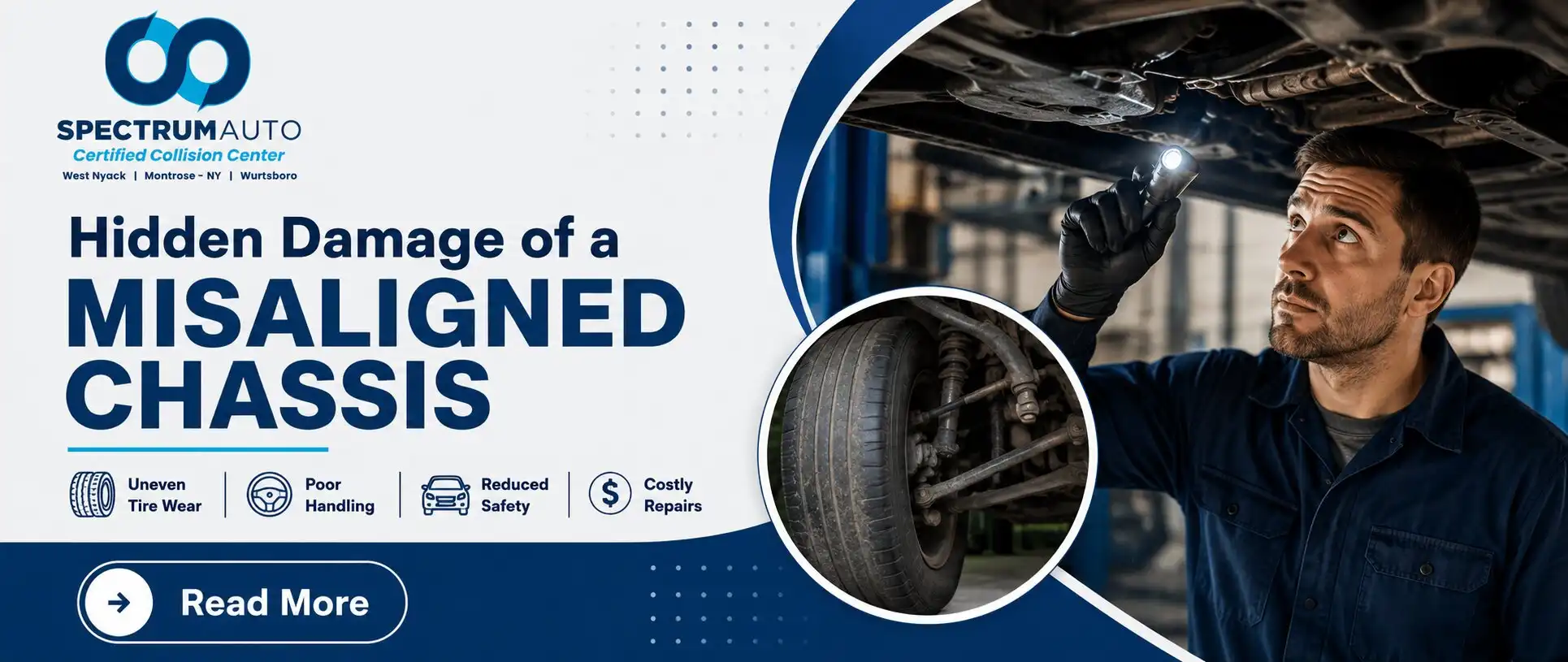
Modern vehicles rely on precise structural alignment for both safety and performance. Even when frame measurements appear correct immediately after repair, real-world driving can reveal alignment issues.
Follow-up inspections check for:
- Frame alignment accuracy under load conditions
- Suspension geometry that may shift slightly after initial driving
- Steering alignment requiring adjustment after settlement
- Body panel gaps that may change as bolts and fasteners seat properly
Structural issues caught early prevent more serious problems down the road. A vehicle that drives straight today may develop handling quirks after a few hundred miles if repairs haven't fully settled.
3. Hidden Mechanical Issues Detection
Collision damage often creates a cascade effect, where impact forces transfer through multiple systems. Some mechanical problems don't manifest immediately.
Common delayed symptoms include:
- Fluid leaks from damaged seals or connections disturbed during repair
- Suspension noises from components stressed but not initially damaged
- Brake performance changes due to caliper or rotor damage not immediately apparent
- Electrical gremlins from wiring harnesses disturbed during bodywork
Regular car service appointments following collision repair help identify these developing issues before they become safety hazards or expensive failures.
4. Safety System Calibration Verification
Modern vehicles contain numerous electronic safety systems that require precise calibration after collision repairs. These systems include advanced driver assistance features that protect occupants.
Critical systems requiring verification:
- Airbag sensors and deployment systems must function flawlessly.
- Anti-lock braking systems (ABS) need proper sensor alignment.
- Advanced driver assistance systems (ADAS) like lane departure warning and adaptive cruise control
- Collision avoidance systems, including automatic emergency braking
- Backup cameras and parking sensors requiring recalibration after bodywork
Even when initial calibration appears successful, follow-up testing ensures these life-saving systems remain properly configured. Some calibration issues only become apparent after driving cycles reset various computer modules.
5. Warranty Protection and Documentation
Follow-up appointments create essential documentation that protects vehicle owners if problems emerge later.
Documentation benefits include:
- Establishing baseline condition after repair completion
- Creating repair timeline records that support warranty claims
- Identifying issues within warranty periods before coverage expires
- Demonstrating due diligence for insurance purposes
- Building service history that maintains vehicle value
Most collision repair shop warranties require follow-up inspections to remain valid. Skipping these appointments may void coverage for issues that develop later.
6. Corrosion Prevention Assessment
Collision repairs often expose bare metal and disturb factory corrosion protection. Even with proper treatment, corrosion can begin in hidden areas.
Follow-up inspections should verify:
- Rust inhibitor application in all exposed areas
- Seam sealer integrity preventing moisture intrusion
- Undercoating coverage protecting vulnerable underbody areas
- Drain hole functionality allowing water to escape from body cavities
Early corrosion detection costs far less to address than discovering rust damage years later when it has spread extensively.
7. Peace of Mind and Quality Assurance
Beyond technical considerations, follow-up appointments provide psychological benefits for vehicle owners recovering from collision trauma.
Follow-ups offer:
- Professional reassurance that repairs meet quality standards
- Opportunity to address concerns about how the vehicle drives or looks
- Expert answers to questions about maintenance or care after repair
- Relationship building with the repair shop for future service needs
Quality collision repair shops welcome follow-up appointments because they demonstrate commitment to customer satisfaction and stand behind their workmanship.
Best Practices for Post-Repair Follow-Up
Schedule strategically: Most shops recommend follow-up inspections at 30 days and 90 days after repair completion. This timing allows for paint curing, component settling, and initial wear patterns to develop.
Document everything: Take photos of the repaired areas in various lighting conditions. Note any concerns, even minor ones, in writing. Keep all paperwork and receipts organized.
Combine with regular car service: Schedule follow-up inspections during routine maintenance appointments to maximize efficiency and ensure comprehensive vehicle evaluation.
Communicate clearly: Describe any unusual noises, handling characteristics, or visual concerns to technicians. Even seemingly minor issues deserve investigation.
Conclusion
Collision repair represents a significant investment in vehicle restoration. Follow-up appointments protect that investment by ensuring repairs perform as intended over time. These inspections catch hidden issues, verify safety system functionality, protect warranty coverage, and provide peace of mind that the vehicle has truly returned to pre-accident condition.
Vehicle owners who skip follow-up appointments risk discovering problems after warranty periods expire or safety systems fail when needed most. The minimal time investment required for post-repair inspections pays dividends in safety, reliability, and long-term vehicle value.
Working with a reputable collision repair shop that emphasizes follow-up care demonstrates their commitment to quality and customer safety. These relationships often extend beyond collision repair into ongoing vehicle maintenance and service partnerships.
Frequently Asked Questions
How soon after collision repair should the first follow-up appointment be scheduled?
The first follow-up should typically occur 30 days after repair completion. This timeframe allows paint to cure, components to settle, and the vehicle to undergo normal driving conditions. A second follow-up at 90 days catches any issues that develop over extended use. Some shops may recommend different timing based on repair complexity.
Are follow-up inspections after collision repair free?
Most reputable collision repair shops include follow-up inspections as part of their service warranty at no additional charge. These inspections protect both the customer and the shop by identifying issues while warranty coverage remains active. However, any additional repairs discovered that aren't related to the original collision work may incur separate charges.
What should be brought to a follow-up appointment?
Bring all original repair documentation, including itemized repair lists, warranty information, and insurance paperwork. Also bring photos of any concerns noticed since repairs, a written list of questions or issues, and the vehicle's service history. This documentation helps technicians efficiently address concerns and maintain accurate records.
Can follow-up appointments be skipped if the car seems fine?
Skipping follow-ups isn't recommended even when the vehicle appears problem-free. Many issues develop gradually or remain hidden until professional inspection. Follow-ups may be required to maintain warranty coverage, verify safety system calibration, and document vehicle condition. The time investment is minimal compared to potential risks of undiscovered problems.
What happens if problems are found during a follow-up inspection?
When issues are discovered during follow-up, reputable shops will address them under warranty if related to the original repair work. The shop will explain the problem, proposed