Your mechanic recommends a full inspection. You nod, agree it sounds reasonable, and then wonder, what exactly are they going to look at? Is it just the brakes and oil, or is there more to it?
There's a lot more to it. A full auto mechanical inspection covers the engine bay, brakes, suspension, tires, electrical systems, exhaust, and everything underneath the vehicle. It's not a guess or a glance; it's a structured process that tells you the true condition of your car before small issues turn into expensive ones.
Here's exactly what's included, broken down step by step.
Six Areas Covered in a Full Mechanical Inspection
Under the Hood — Fluids, Belts, and the Basics
The engine bay is always the first stop. Most problems that cause breakdowns start here, and most of them are entirely preventable.
Technicians check:
- Engine oil level and condition
- Coolant, brake fluid, and power steering fluid
- Transmission fluid color and level
- Belt and hose condition, cracks, fraying, brittleness
- Battery terminals, alternator, and starter motor
Low or dirty fluids tell a story. A cracked serpentine belt might not trigger a warning light today, but failure on the highway is a different situation entirely. These are the parts that quietly keep everything running until they don't.
Brakes, Suspension, and Steering
This is the section that matters most for your safety. It's also where a lot of drivers get caught off guard.
During quality auto mechanic services, technicians inspect:
- Brake pad thickness and rotor condition
- Brake line integrity and caliper function
- Shocks, struts, ball joints, and tie rod wear
- Steering play and alignment indicators
Worn brake pads can be replaced easily. Warped rotors or deteriorating brake lines are a different matter entirely. And a vehicle with worn-out ball joints doesn't just ride rough; it's a genuine liability at highway speeds. These aren't comfort items. They're safety-critical components that should never be overlooked.
Tires and Wheels
Most people check if their tires look low. A proper inspection goes further than that.
Here's what gets examined:
- Tread depth across all four tires
- Sidewall cracks, bulges, and inflation levels
- Wear pattern analysis across the tire surface
- Lug nut torque and visible rim damage
Uneven wear usually points to alignment or suspension issues, problems that quality mechanical repair services will trace back to the root cause rather than just swap out the tires. Left unaddressed, they'll keep destroying new ones. It sounds like a small detail until a blowout happens at 65 mph.
Exhaust, Fuel, and Cooling Systems
These three systems work in the background. When they fail, it's rarely subtle.
Exhaust systems get checked for leaks, loose hangers, and physical damage. A leaking exhaust isn't just loud; fumes entering the cabin are a genuine health concern. Catalytic converter condition also gets reviewed, since a failing converter affects both performance and emissions compliance.
The cooling system—radiator, thermostat, water pump, and hoses—gets pressure-tested or visually examined depending on the scope. Overheating is one of the most avoidable causes of serious engine damage. It almost always comes with warning signs that a trained technician will catch before they become expensive.
Electrical Systems and Diagnostic Scans
Modern vehicles carry a computer system that logs fault codes long before any warning light appears on your dashboard. Skipping this step means missing half the picture.
A full inspection includes:
- OBD diagnostic scan for stored and pending fault codes.
- Check for misfires, sensor failures, or transmission irregularities.
- Headlights, brake lights, turn signals, and reverse lights.
- Wipers, horn function, and window operation.
Pulling diagnostic codes is what separates a genuine full inspection from a surface-level checkup. It can reveal problems with zero visible symptoms—and catching them early is always cheaper than dealing with them later.
Underneath the Vehicle
Getting the car up on a lift exposes everything that can't be seen from above. This is where experienced mechanical repair services professionals make a real difference.
Technicians look for:
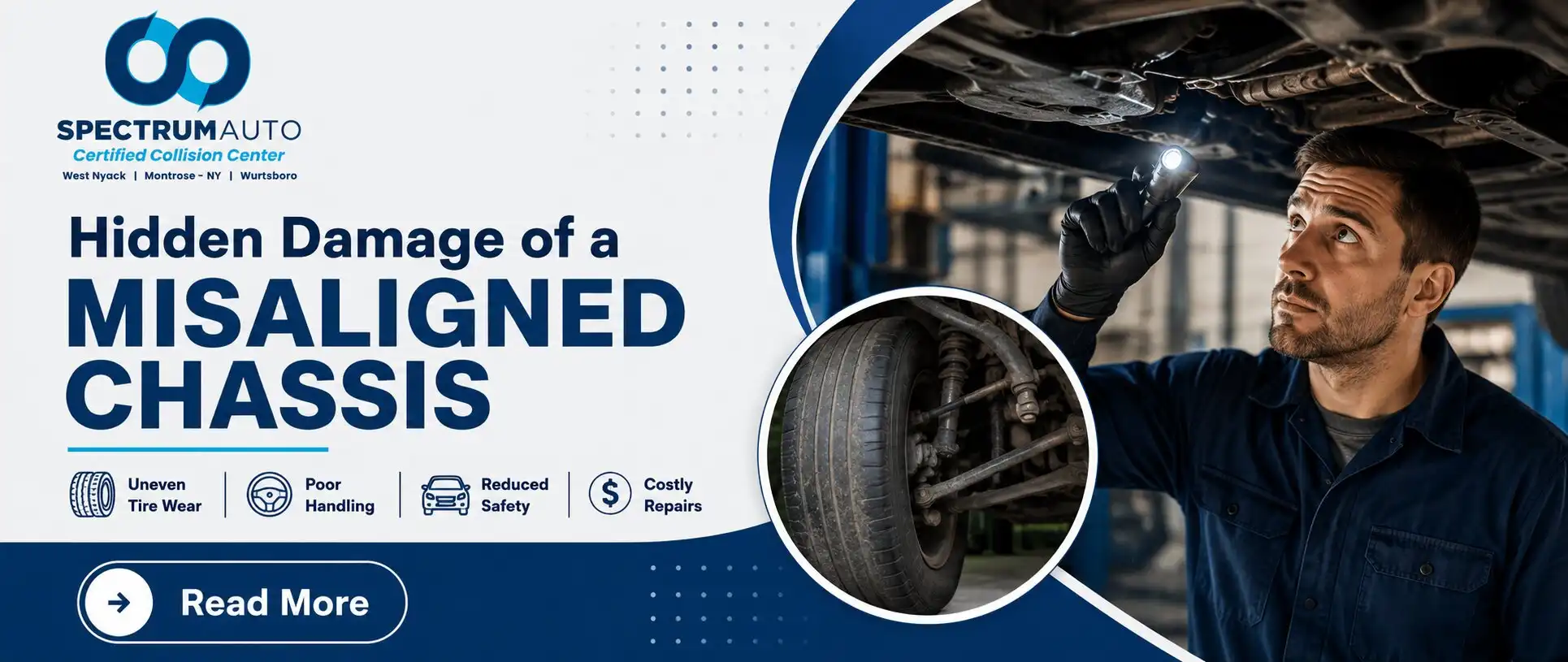
- Frame condition and undercarriage rust
- CV axle boot integrity
- Differential fluid levels
- Transmission pan seals and active fluid drips
Fluid spots on the shop floor often point to leak sources that only become obvious from underneath. Catching a split CV boot or a hairline frame crack early is the difference between a modest repair bill and a breakdown on the side of the road.
Bottom Line
A full mechanical inspection isn't just for when something feels wrong. It's how you stay ahead of problems before they take a toll on your car, your wallet, or your safety. Every section covered above works together — one failing system puts pressure on the others. Acting early keeps that chain from starting.
At Spectrum Auto Inc., our certified technicians are trained to work through every one of these areas — thoroughly, honestly, and without pressure. Whether it's a routine check or a full pre-purchase inspection, our auto mechanic services give you a clear picture of exactly where your vehicle stands.
Frequently Asked Questions (FAQs)
- What's the difference between a full inspection and a routine oil change service?
An oil change is a single maintenance task. A full inspection is a comprehensive review of every major system—brakes, suspension, electrical, exhaust, undercarriage, and more. The two aren't interchangeable, and an oil change alone won't catch most developing problems.
2. Does a full inspection cover transmission and electrical faults, or just mechanical parts?
Both. A complete inspection includes an OBD diagnostic scan that pulls fault codes from the vehicle's computer, covering transmission irregularities, sensor failures, and electrical issues—not just what's physically visible under the hood.
3. How is a full mechanical inspection different from what's done during an annual state inspection?
A state inspection checks for compliance—lights, emissions, and basic safety. A full mechanical inspection is far broader. It covers fluid conditions, belt wear, suspension integrity, undercarriage rust, and diagnostic codes that a state inspection doesn't require and won't flag.