A small noise from your engine. A slight pull when you brake. A warning light that flickers on your dashboard for a day, then disappears. It is easy to push these things aside when life gets busy. But ignoring these early signs often turns a simple, affordable repair into a major, costly problem.
In this blog, we break down exactly what happens when you delay getting your car checked — and why acting early always saves you time, money, and stress.
Small Problems Grow Into Big Repairs
Your car is made up of systems that work together. When one part is not functioning properly, it puts pressure on surrounding components. What starts as a worn brake pad can turn into damaged rotors. A small oil leak can lead to engine seizure. A cracked belt can leave you stranded on the highway.
Here is a common chain reaction caused by delayed maintenance:
- Low engine oil → overheating → damaged pistons or head gasket
- Worn tires → poor grip → increased risk of blowout or accident
- Failing transmission fluid → rough shifting → full transmission failure
- Bad spark plugs → misfires → catalytic converter damage
- Weak battery → alternator stress → complete electrical failure
Your Safety Is at Risk
This is the most important reason not to delay a visit to a repair shop. Many car components are directly tied to your safety and the safety of others on the road. When these parts are not in good working condition, the consequences can be severe.
Safety-critical components that should never be ignored include:
- Brakes — reduced stopping power increases your stopping distance significantly
- Steering — loose or worn parts affect your ability to control the vehicle
- Tires — low tread or incorrect pressure raises the chance of a skid or blowout
- Suspension — worn shocks make it harder to handle the car on turns or rough roads
- Lights — faulty headlights or brake lights reduce visibility and can result in fines
No repair bill is worth more than your life or the lives of people around you. If you notice any issue with these systems, book professional mechanical repair services immediately.
The Cost of Waiting Gets Higher Over Time
People often delay repairs to avoid spending money, but this approach often backfires. A minor fix that costs a few hundred dollars today can multiply into thousands if left unaddressed.
Consider these real cost comparisons:
- Replacing brake pads early: $150–$250 vs. replacing rotors and pads after damage: $400–$800
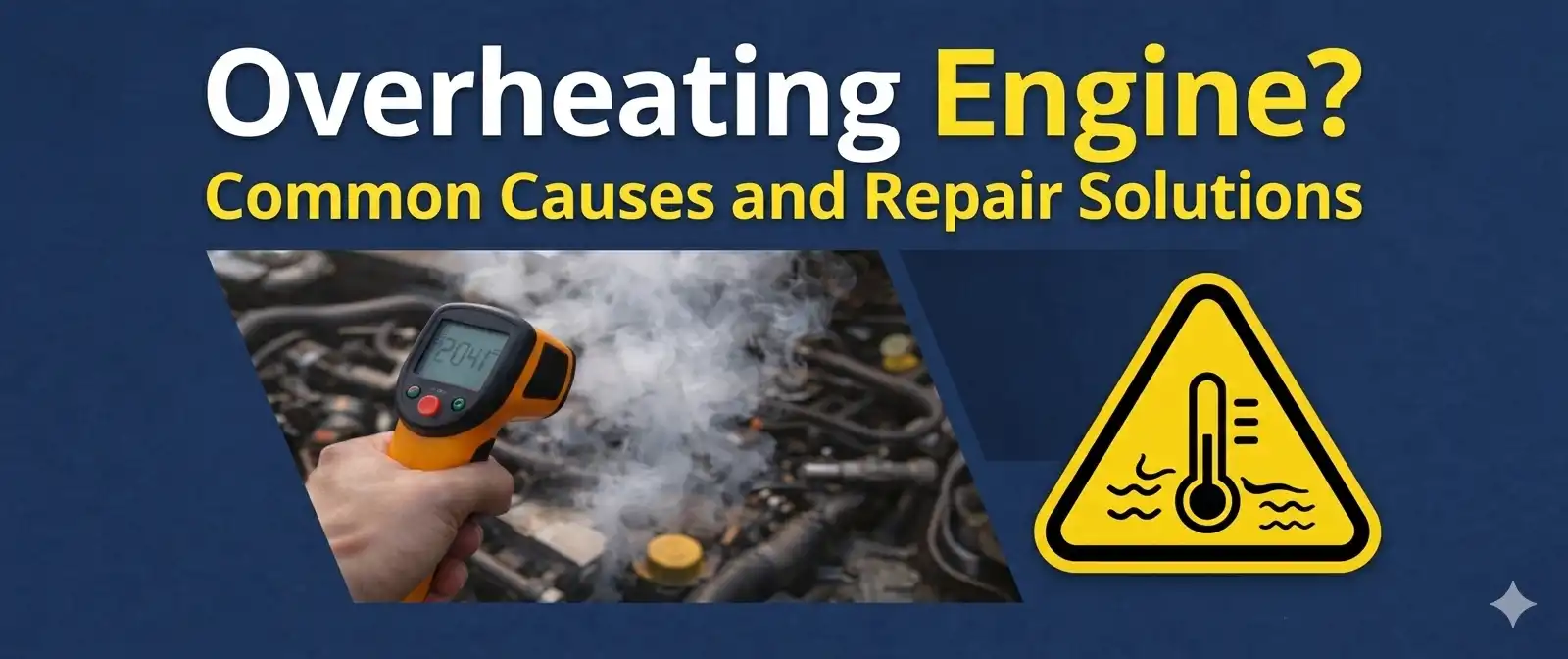
- Fixing a coolant leak: $100–$200 vs. repairing an overheated engine: $1,500–$4,000
- Replacing a timing belt on schedule: $300–$500 vs. engine damage after belt snaps: $2,000–$5,000
Routine visits to certified auto mechanic services are an investment, not an expense. They help you avoid the kind of surprise breakdowns that cost far more — not just in money, but in inconvenience and lost time.
Your Car Loses Value Faster
Whether you plan to sell your car or trade it in someday, its condition plays a major role in what you get for it. A vehicle with a complete service history and well-maintained parts holds its value far better than one with a record of neglect.
Buyers and dealerships check maintenance records. Signs of deferred maintenance — such as worn suspension, oil sludge, or rust from unrepaired body damage — will lower the offer you receive significantly.
Warning Signs You Should Never Ignore
Not every car problem announces itself loudly. Here are the warning signs that should prompt an immediate inspection:
- Check engine light stays on — even if the car seems to run fine
- Unusual sounds — grinding, knocking, squealing, or rattling
- Vibrations in the steering wheel or through the floor
- Smoke or unusual smell from the hood or exhaust
- Fluid spots under the car when parked
- Car pulling to one side while driving straight
- Slow or hard starts, especially in the morning
- Sudden drop in fuel efficiency
If you notice any of these signs, do not wait to see if they go away on their own. Most of the time, they do not.
How Often Should You Schedule Car Maintenance?
Every vehicle has a manufacturer-recommended maintenance schedule, and following it is the single best thing you can do to keep your car in good shape. As a general guide:
- Oil change: Every 5,000–7,500 miles (or as specified by your manufacturer)
- Tire rotation: Every 5,000–8,000 miles
- Brake inspection: At least once a year or every 12,000 miles
- Air filter replacement: Every 15,000–30,000 miles
- Full vehicle inspection: Once a year
Sticking to a regular schedule keeps repairs predictable and manageable. It also gives your mechanic a chance to catch problems before they turn into breakdowns.
Bottom Line
Delaying car maintenance is never a smart financial or safety decision. The problems that seem small today can quickly become serious, dangerous, and expensive. The good news is that with timely care and regular visits to a trusted repair shop, most of these issues are entirely preventable.
At Spectrum Auto Inc., our certified technicians are trained to spot and fix problems early — before they take a toll on your car, your wallet, or your safety. Whether it is a routine oil change or a more complex repair, we are here to keep your vehicle running the way it should.
Frequently Asked Questions
Q1: How long can I drive with a check engine light on?
It depends on the cause, but you should not drive for long with a check engine light on. While some triggers are minor — like a loose gas cap — others indicate serious issues such as catalytic converter failure or engine misfires. If the light is flashing, pull over safely and get the car inspected right away. If it is steady, have it diagnosed as soon as possible, ideally within a day or two.
Q2: What happens if I skip an oil change for too long?
Engine oil breaks down over time and loses its ability to lubricate and cool internal components. Skipping oil changes allows sludge to build up inside the engine, increases friction, and raises the risk of overheating. Over time, this leads to accelerated wear and, in worst cases, complete engine failure — one of the most expensive repairs a car can need. Regular oil changes are among the cheapest and most important things you can do for your vehicle.
Q3: Can I wait until my brakes stop working before getting them replaced?
Absolutely not. By the time brakes stop working, the damage has already extended well beyond the brake pads — usually to the rotors, calipers, and brake lines. More importantly, driving with failing brakes puts you, your passengers, and everyone else on the road in serious danger. If you hear squealing or grinding, or if your car takes longer to stop than usual, visit a certified repair shop without delay.